


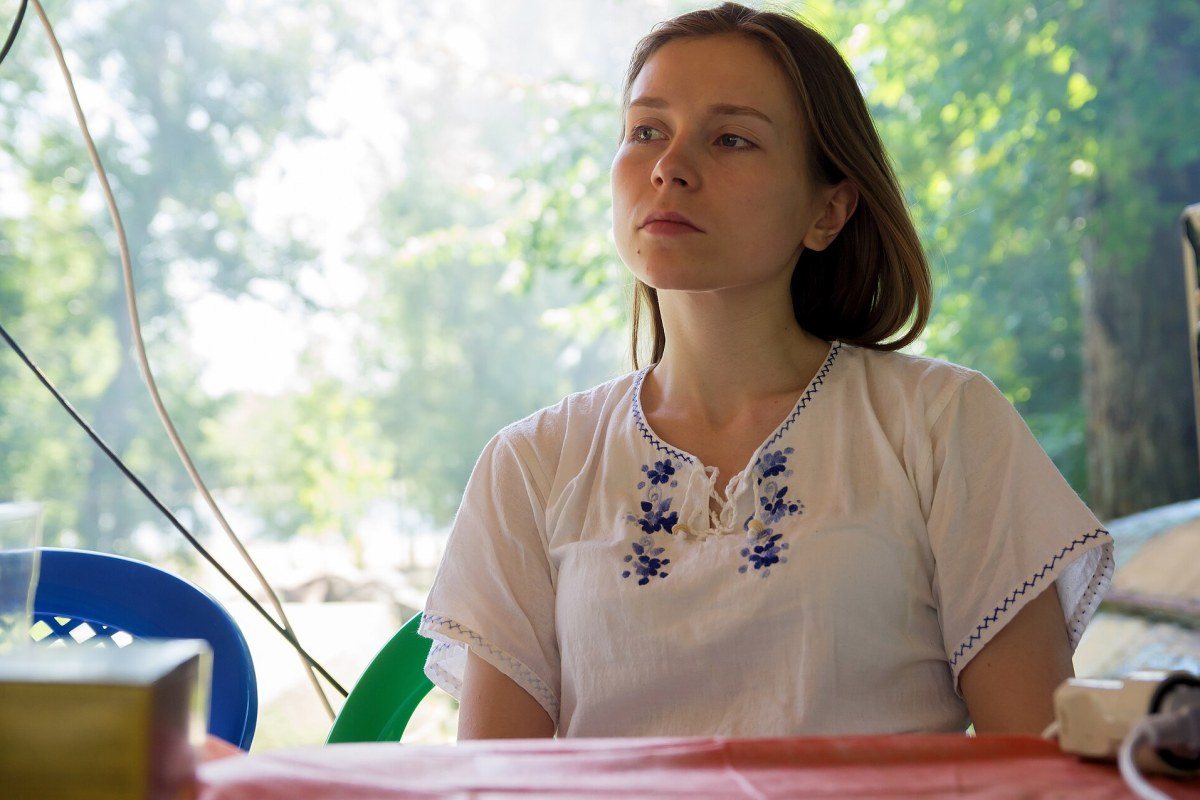
Few garments carry as much meaning as the Ukrainian vyshyvanka. At first sight it is simply a linen shirt decorated with embroidery on the collar, chest and sleeves. Yet for generations it has served as a talisman, a record of family history, a marker of regional identity and, more recently, a symbol of national unity worn by presidents, footballers and schoolchildren alike. Understanding the vyshyvanka means understanding a good part of Ukrainian folk culture.
From Everyday Clothing to National Symbol
Embroidered shirts were part of everyday and festive dress across Ukrainian lands for centuries. Women spun flax and hemp, wove linen and embroidered shirts for themselves and their families. A girl was expected to prepare embroidered shirts and towels for her dowry, and the quality of her needlework was a matter of pride.
In the nineteenth and early twentieth centuries, Ukrainian intellectuals began wearing vyshyvanky as a deliberate statement of identity, alongside or instead of European suits. The writer Ivan Franko and the poet Lesya Ukrainka were photographed in embroidered clothing. In the Soviet era, the shirt was tolerated as "folk costume" but often stripped of its deeper meaning. After independence, and especially in the twenty-first century, it returned as a fashion item and a symbol of belonging.
In 2006 students in Chernivtsi proposed a day when everyone would wear embroidered clothes. The idea spread, and Vyshyvanka Day is now marked every year on the third Thursday of May, when offices, schools and city streets fill with embroidered shirts.
Regional Styles: A Map in Thread
Ethnographers have described dozens of distinct embroidery traditions in Ukraine, and an experienced eye can often tell which region a shirt comes from. A few famous examples:
- Poltava region: delicate white-on-white embroidery with light floral and geometric patterns, often combined with blue or red accents.
- Hutsul region (Carpathians): dense geometric ornaments in bright orange, yellow, green and red, sometimes with metallic threads.
- Bukovina: rich embroidery that can be combined with glass beads and sequins, creating shimmering surfaces.
- Borshchiv (Ternopil region): sleeves almost entirely covered in dark, nearly black embroidery, among the most recognisable styles in Ukraine.
- Kyiv region and Polissia: red and black geometric motifs, often arranged in vertical bands on the sleeves.
Techniques and Colours
Many people assume the vyshyvanka is always cross-stitched. Cross-stitch is indeed popular today, but traditional embroiderers used well over a hundred techniques. Among them are nyzynka, a counted stitch worked from the reverse side; hladdia, satin stitch; vyrizuvannia, a cutwork technique where threads are removed to form openwork; and various drawn-thread borders.
Colour also carried meaning, although interpretations differ between regions and researchers. Red is commonly associated with life, love and protection, black with the earth and fertility rather than mourning, and white with purity. Older embroidery used natural dyes, which gave softer shades than modern threads.
Ornaments as a Language
Traditionally, embroidery was placed precisely on the openings of the shirt: the collar, cuffs, hem and chest slit. Folk belief held that these were the places where harm could enter, so the ornament acted as a protective charm. Common motifs include:
- The tree of life, symbolising family continuity and the link between generations;
- The rhombus or diamond, often interpreted as a sign of a sown field and fertility;
- Eight-pointed stars and rosettes, associated with the sun;
- Kalyna (guelder rose) berries and leaves, linked to beauty, love and Ukrainian identity;
- Grapevines and oak leaves, representing family happiness and strength.
Scholars caution against reading every pattern as a coded message, since many ornaments were also simply beautiful designs passed from mother to daughter. Still, the protective and symbolic role of embroidery is well documented in folk tradition.
Wearing and Caring for a Vyshyvanka
Today's vyshyvanky range from museum-quality hand embroidery that takes months to make to inexpensive machine-made shirts. Contemporary designers reinterpret traditional motifs on dresses, jackets and even sneakers. If you buy a hand-embroidered shirt, ask where its pattern comes from; many makers are glad to tell the story. Wash it gently by hand in cool water, avoid wringing, and iron it from the reverse side to protect the stitches.
Above all, the vyshyvanka is meant to be worn rather than kept in a drawer. Whether at a wedding, a graduation, a concert or a simple spring day in May, it connects the person wearing it with the many generations of embroiderers who came before.
What's Your Reaction?
 Like
0
 Dislike
0
 Love
0
 Funny
0
 Wow
0
 Sad
0
 Angry
0









Comments (0)