




Cholera could stop being a public health threat by the end of the decade, the World Health Organization said on Tuesday, insisting that every death from the disease can be prevented with tools that already exist. The upbeat message came with a sobering reminder of how far the world still has to go: according to the WHO, 2025 was the deadliest year for cholera since 1999.
What the WHO said in Geneva
Speaking to reporters in Geneva on 10 November, the agency said almost 7,900 people died of cholera last year, as reported by UN News. Most of those deaths happened in the community, before patients could reach a health facility. Fatalities fell in the first nine months of 2026, but the disease still killed more than 3,000 people, and nearly nine in ten of those deaths were in Africa.
Dr Lorenzo Pezzoli, who leads the WHO's work on epidemic-prone bacterial diseases, said patients recover where there is "clean water, basic sanitation and a nearby health centre." He argued that cholera could be ended for good if those basics were in place, though not in places where conflict is raging. According to an AFP report carried by the South China Morning Post, he described the 2030 goal as achievable because the work needed to reach it is already under way.


Where the burden is heaviest
The WHO said the largest numbers of current cases are being reported in:
- the Democratic Republic of the Congo;
- Yemen;
- Zambia;
- Nigeria;
- Somalia;
- Djibouti.
Pezzoli also warned that the El Niño weather pattern could make matters worse. Cholera thrives on both too much and too little water: floods mix sewage with drinking supplies, while droughts push families towards unsafe sources. Extreme weather can therefore tip already fragile regions into new outbreaks.
What actually stops cholera
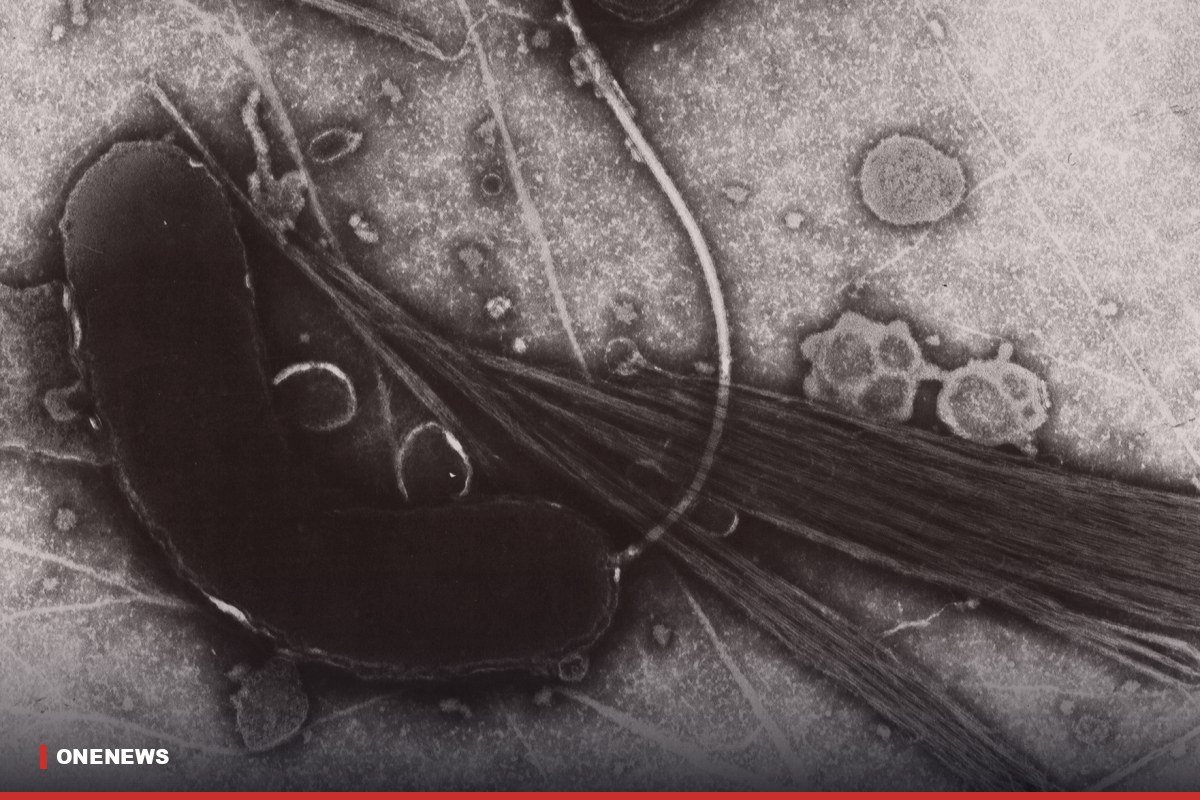
Cholera is caused by the bacterium Vibrio cholerae, which spreads through contaminated water and food. It can cause severe dehydration within hours, yet most patients survive if rehydration starts quickly. That is why experts keep returning to the same short list of measures:
- safe drinking water and proper sanitation;
- rapid oral rehydration and health care close to home;
- early detection of outbreaks and strong disease surveillance;
- vaccination in high-risk areas.
The WHO says 71 million doses of cholera vaccine have been provided as part of the global effort. Vaccine supplies have repeatedly fallen short of demand in recent years, however, which is why water and sanitation remain the backbone of prevention.
Why it matters
Cholera has long been a disease of poverty and war. It returns wherever water and sewage systems break down and wherever people are cut off from medical care. A global roadmap backed by the WHO aims to cut cholera deaths by 90 per cent by 2030. The agency's latest assessment suggests the target is still alive, but meeting it depends less on new medicine than on political will and funding for unglamorous basics: pipes, latrines, treatment plants and local clinics.


The lesson extends well beyond the countries currently on the list. Wherever conflict or natural disasters damage water infrastructure, the speed of repairs directly shapes the risk of waterborne disease. Restoring clean water is not only an engineering task but a frontline public health measure.
The coming years will show whether the downward trend seen in 2026 can be sustained. For now, the WHO's figures point to progress, but more than 3,000 deaths in nine months show that a cholera-free world is still some distance away.
What's Your Reaction?
 Like
0
 Dislike
0
 Love
0
 Funny
0
 Wow
0
 Sad
0
 Angry
0










Comments (0)