


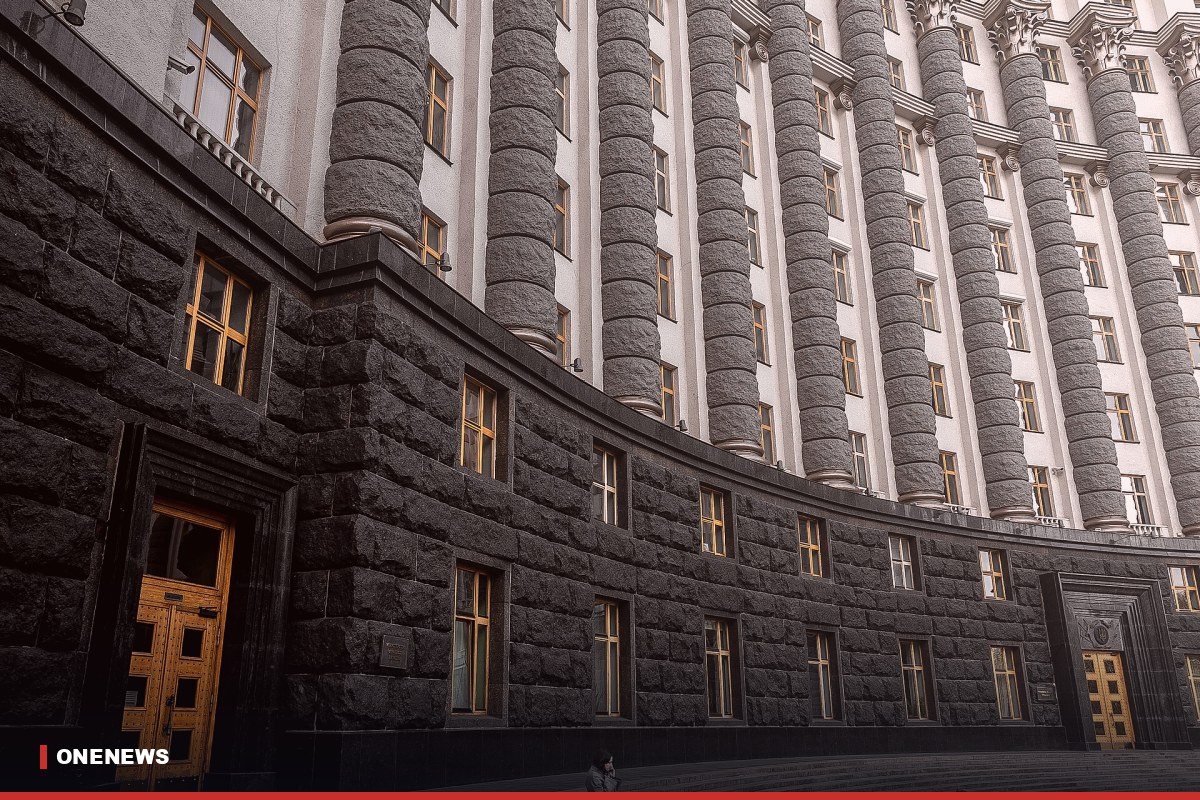


Ukraine's government has all but written off economic growth this year. An updated macroeconomic scenario underpinning the draft 2027 state budget now projects GDP growth of just 0.1% in 2026, down from the 1.6% previously assumed. The figures were disclosed on 11 November by lawmaker Yaroslav Zheleznyak and reported by Interfax-Ukraine and Ekonomichna Pravda.
The new numbers
According to Zheleznyak, the Cabinet updated the so-called scenario 2 of its 2027-2029 macroeconomic forecast on 11 November. The revisions cover both growth and prices:
- GDP growth in 2026: 0.1%, down from 1.6%;
- GDP growth in 2027: 0.4%, down from 1.3%;
- inflation in 2026: 10.6%, up from 9.2%;
- inflation in 2027: 8.5%, up from 8.2%.
The Finance Ministry will use the revised projections when it reworks the 2027 budget between its first and second readings in parliament.


What went wrong
The downgrade catches up with data already coming in. The State Statistics Service estimates that real GDP shrank 0.7% year on year in the third quarter of 2026, after growth of 0.4% in the second quarter and a 0.6% contraction in the first. Annual inflation accelerated to 11% in October from 10% in September.
When it revised its own forecast in late October, the central bank blamed intensified Russian strikes on industrial sites and logistics and the blocking of sea exports, with metallurgy and iron ore mining, traditionally major sources of export earnings, taking the heaviest losses.
Ukrainian outlet The Page cited restrictions on the ports of Greater Odesa, damage to metallurgy, energy and logistics, and a pause in investment caused by delays in international financing among the reasons. Russia's blockade of sea routes has hit exports of grain and iron ore particularly hard.
Government versus central bank
Even after the cut, the government's view is less gloomy than that of the National Bank of Ukraine. In late October the central bank forecast a 0.4% contraction in 2026 and year-end inflation of 12.5%. For 2027 it expects growth of 0.4% and inflation easing to 7.3%. Against that backdrop the NBU raised its key policy rate to 16.5%.
Private forecasters are gloomier still. In October, investment group ICU projected a 0.6% decline in GDP for 2026, while Dragon Capital expected a 0.5% contraction. The International Monetary Fund's October World Economic Outlook pencilled in 1% growth for Ukraine.


The gap between forecasts largely reflects different assumptions about how long the sea blockade will last, how intense attacks on the energy system will be and how much international aid will arrive.
Why it matters
Slower growth means lower tax revenue and a larger need for external financing, while higher inflation pushes up the state's nominal spending, including on social programmes. The revised outlook will therefore feed directly into the 2027 budget, which still has to clear its second reading in parliament.
For businesses, the message is that a quick rebound in demand is unlikely in the near term. A high policy rate will keep borrowing expensive, and inflation will continue to squeeze costs. Much will depend on the course of the war, the security of sea routes and whether international support arrives on time.
What's Your Reaction?
 Like
0
 Dislike
0
 Love
0
 Funny
0
 Wow
0
 Sad
0
 Angry
0






Comments (0)