


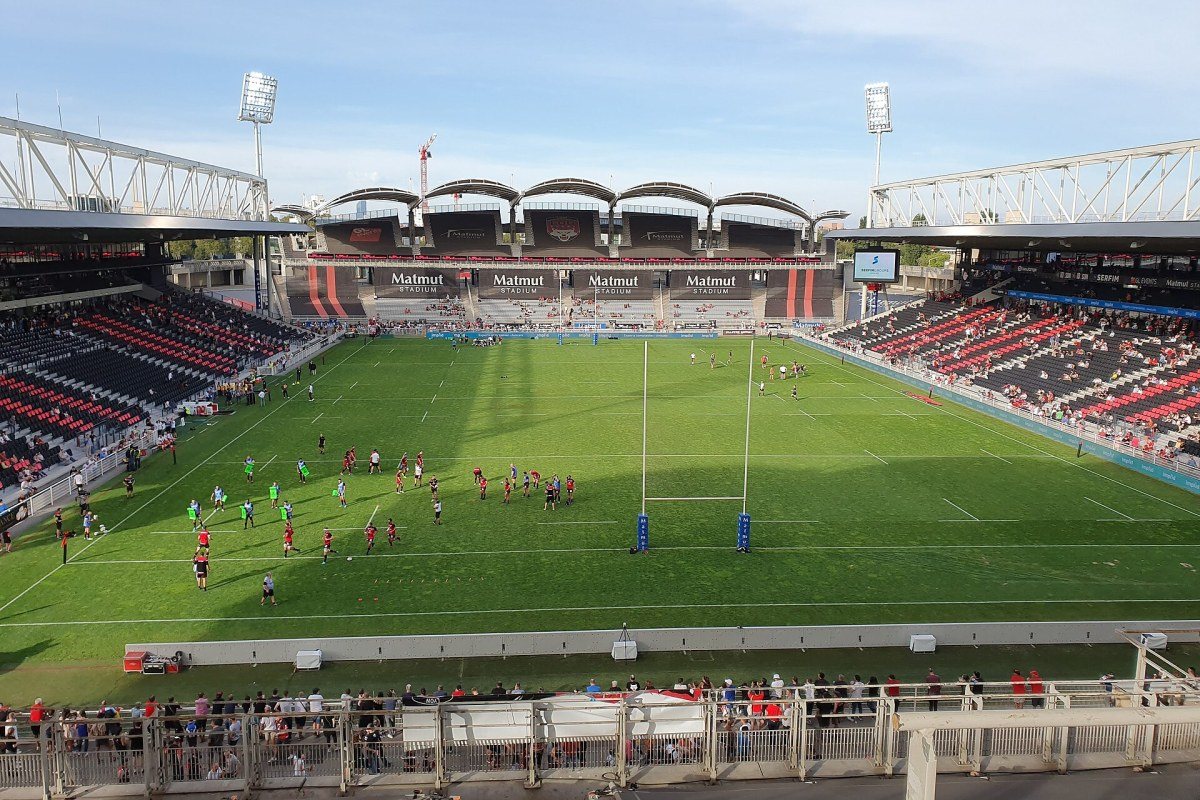
On a May evening in 1986, Dynamo Kyiv produced a performance that many football historians still rank among the finest by any club in a European final. At the Stade de Gerland in Lyon, Valeriy Lobanovskyi's team beat Atlético Madrid 3–0 to win the European Cup Winners' Cup for the second time. The victory confirmed Kyiv as one of the great football cities of Europe and introduced a new generation of Ukrainian stars to the world.
A New Generation in Kyiv
By the mid-1980s, only a handful of players remained from the side that had won the trophy in 1975. Oleh Blokhin, now a veteran, was still there, but around him Lobanovskyi had assembled a younger, faster team. Dynamo won the Soviet league in 1985, and with it came a sense that the club was ready for another European campaign.
The squad combined speed, technical quality and relentless running. Key names included:
- Ihor Belanov – a rapid striker with a powerful shot, who would win the Ballon d'Or later that year.
- Oleksandr Zavarov – a gifted playmaker capable of unlocking any defence.
- Vasyl Rats – a left-sided midfielder known for his long-range shooting.
- Anatoliy Demyanenko – the captain and an attacking full-back.
- Oleh Kuznetsov and Volodymyr Bessonov – versatile defenders who embodied Lobanovskyi's idea of universal players.
- Oleh Blokhin – the experienced forward providing goals and leadership.
The Road to the Final
Dynamo qualified for the 1985–86 Cup Winners' Cup as winners of the Soviet Cup. They progressed through the knockout rounds with growing confidence, including a convincing quarter-final win over Rapid Vienna and a semi-final against Dukla Prague. Their pressing game and quick transitions overwhelmed opponents who were not used to such intensity.
In the final they met Atlético Madrid, a strong and experienced Spanish side. Many neutral observers expected a close, tactical contest.
The Final in Lyon
Dynamo took the lead early through Zavarov, who finished a well-worked move. Atlético tried to respond, but Kyiv's organisation held firm and the team continued to threaten on the break. Late in the match Blokhin added a second goal, and Vadym Yevtushenko completed the 3–0 victory.
What impressed spectators was not only the scoreline but the style. Dynamo's players switched positions constantly, passed the ball at high speed and pressed as a unit whenever they lost possession. The second goal in particular, created through rapid one-touch combinations, is often shown as an example of Lobanovskyi's football at its best.
Belanov's Ballon d'Or and the 1986 World Cup
The success in Lyon had immediate consequences. Lobanovskyi was also in charge of the Soviet national team at the 1986 FIFA World Cup in Mexico, and he built the side around his Dynamo players. The USSR started the tournament brilliantly, beating Hungary 6–0, before being knocked out in a dramatic 4–3 extra-time defeat to Belgium in the round of 16, a match in which Belanov scored a hat-trick.
At the end of the year, Belanov received the Ballon d'Or, becoming the second Dynamo Kyiv player to win the award after Blokhin in 1975. Several of the 1986 team also formed the core of the Soviet side that reached the final of Euro 1988.
A Team Remembered
The 1986 Dynamo side is remembered as the purest expression of Lobanovskyi's vision. It had stars, but it functioned as a single system in which every player understood his role in both attack and defence. Coaches across Europe studied its methods, and its influence can be seen in the high-pressing, position-swapping teams of later decades.
For Ukrainian supporters, the night in Lyon remains a symbol of what Kyiv football can achieve. Together with the 1975 triumph, it gives Dynamo two European trophies and a place in the history books as one of the most important clubs to emerge from Eastern Europe. When older fans talk about the most beautiful team they ever saw, the answer is very often the Dynamo of 1986.
What's Your Reaction?
 Like
0
 Dislike
0
 Love
0
 Funny
0
 Wow
0
 Sad
0
 Angry
0








Comments (0)