


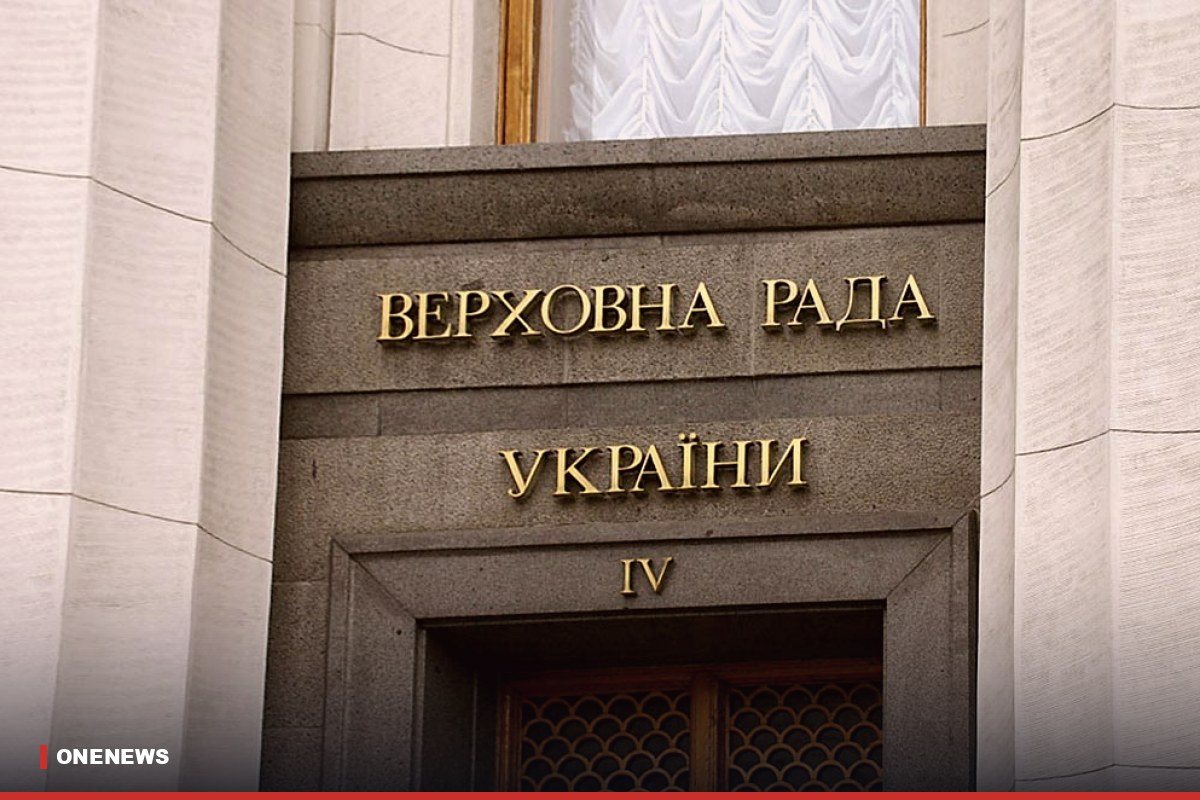


Ukraine's parliament on November 11 approved in first reading bill No. 16144, a reform of the prosecution service tied to the country's EU accession commitments. Several Ukrainian outlets reported that 236 lawmakers voted in favour. Anti-corruption watchdogs, however, were quick to dismiss the bill as an imitation of reform that could entrench the very problems it claims to address.
What the bill would change
The draft rewrites the rules on hiring, evaluation and discipline in the prosecution service. According to The Kyiv Independent and Ukrainian media reports, its main provisions are:
- restoring competitive selection for senior administrative posts in the Prosecutor General's Office and in regional and district prosecutor's offices, which was abolished in 2025;
- setting general rules for the periodic evaluation, selection and appointment of prosecutors;
- turning the Council of Prosecutors into an independent self-governing body with broader powers;
- creating an Ethics Standards Council to vet candidates for the Council of Prosecutors and the Qualification and Disciplinary Commission;
- widening the range of disciplinary penalties and clarifying the grounds for disciplinary action.
The bill does not, however, change how the prosecutor general is appointed. There is no competition for the country's top prosecutor.


The EU connection
As The Kyiv Independent notes, bringing back competitions for prosecution jobs is an EU requirement in Ukraine's accession talks. Brussels has also pressed for a less political, more merit-based selection of the prosecutor general.
The vote comes against the backdrop of a major scandal. The National Anti-Corruption Bureau's "Operation Carthage" investigation into scam call centres, drug trafficking, counterfeit currency and violence led to the removal of Prosecutor General Ruslan Kravchenko, who, according to the outlet, left Ukraine in September. NABU alleges the group bribed prosecutors, police officers and Security Service staff.
Why watchdogs are unconvinced
Vitaliy Shabunin, head of the Anti-Corruption Action Center's executive board, argued that the bill "actually makes things worse" and shields compromised prosecutors, The Kyiv Independent reported. Olena Shcherban, a lawyer at the same organisation, called it a "pseudo-reform" because it provides neither a fresh general re-vetting of prosecutors nor an independent contest for prosecutor general.
The critics' main objections can be summed up as follows:
- selection panels and the new ethics council would be dominated by prosecutors themselves;
- no independent or international experts are involved in the procedures;
- the prosecutor general would still be appointed without an open competition.
In June, Anastasia Radina, who chairs parliament's anti-corruption committee, submitted a bill for a transparent contest for prosecutor general involving international experts. According to The Kyiv Independent, the authorities have so far declined to take it up.


What happens next
To become law, the bill must pass a second reading and be signed by the president. Texts often change significantly between readings, which both supporters and critics are counting on. The Kyiv Independent said it had asked parliament's law enforcement committee, the Cabinet and the President's Office for comment.
The stakes are twofold. Progress on rule-of-law benchmarks sets the pace of Ukraine's EU accession talks, and public trust in prosecutors has been badly shaken by the Operation Carthage revelations. How the final version is written will go a long way towards deciding whether that trust can be rebuilt.
What's Your Reaction?
 Like
0
 Dislike
0
 Love
0
 Funny
0
 Wow
0
 Sad
0
 Angry
0












Comments (0)