


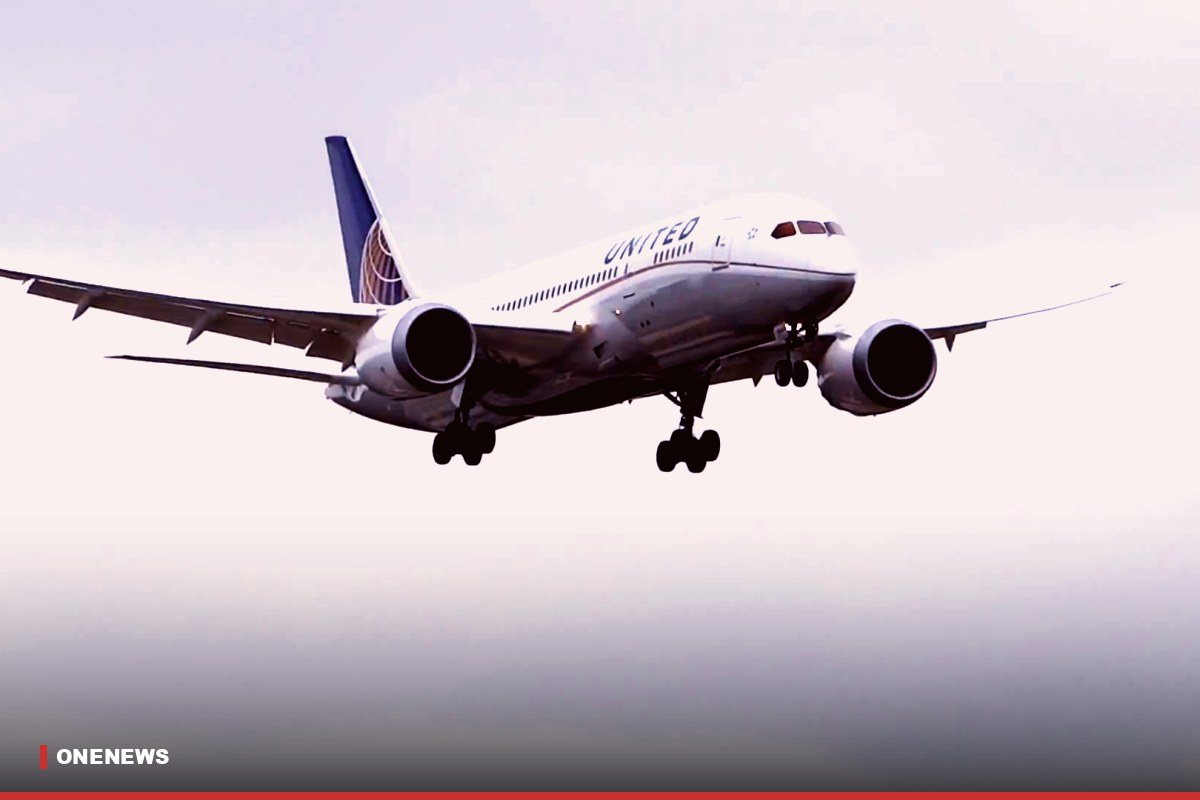


United Airlines has drawn a firm line in the emerging world of "agentic commerce." Under a contract of carriage revised on November 11, 2026, personal AI assistants are no longer allowed to buy, change or service United tickets on a customer's behalf. An AI tool can still hunt for flights and compare fares — but a human has to complete the checkout.
What the new rules say
According to an analysis of the updated contract by PPC Land, the restriction is spread across several provisions:
- Rule 6.J.6 lists the use of AI agents to make, modify or service a ticket, or to purchase any service or product, among prohibited practices;
- Rule 5.H adds reservations made, modified or serviced by AI agents to the bookings United may cancel without notice;
- the definition of an AI agent explicitly covers semi-autonomous software, whether or not the passenger supervises or approves its actions;
- Engadget reports the policy applies not only to United's own website but also to third-party travel agencies and flight aggregators.
Searching and displaying flights, fares and availability remains permitted, as long as the traveller finishes the purchase personally.

United's reasons — and Kirby's
The airline's stated rationale centres on privacy, accidental purchases and regulation. Handing payment details or login credentials to an agent could expose sensitive data and lead to "unintended purchases, account changes or use of MileagePlus miles," Engadget reported. United also argues that some steps, such as confirming at check-in that a checked bag contains no explosives, can only be completed by a person under US aviation rules.
Chief executive Scott Kirby has been more blunt about the commercial angle. Speaking at an event in Chicago, he said: "To be honest, I don't want to create another middleman," according to The Wall Street Journal. United reportedly sees little booking activity from personal AI agents so far and says it will keep evaluating how such tools interact with its services.
A split across industries
United is not alone. Engadget notes that JPMorgan Chase and Amazon also block AI agents from using their products. Southwest Airlines has gone the other way, launching a plugin that lets customers book flights through ChatGPT. Real-world demand is still tiny: Uber said AI agents accounted for 500 Uber Eats orders and four rides during Halloween week, out of 320 million trips and deliveries.
Why it matters
AI companies are betting heavily that assistants will soon shop, compare and pay for us. For airlines, that vision carries a real risk: an AI layer sitting between carrier and passenger could weaken control over pricing, add-on sales and loyalty programmes — all important sources of airline revenue. United's move is an early signal that big consumer brands intend to negotiate that future on their own terms rather than accept it by default.
Some questions remain open. PPC Land points out that the contract does not define what "servicing" a ticket means, so it is unclear whether seat changes, online check-in or refund requests fall under the ban. Because United ties its terms to the date a ticket is issued, the new rules most likely apply to tickets issued from November 11 onwards.

For travellers, the practical advice is simple: use AI to research United flights if you like, but complete the booking yourself, or the reservation could be cancelled.
What's Your Reaction?
 Like
0
 Dislike
0
 Love
0
 Funny
0
 Wow
0
 Sad
0
 Angry
0








Comments (0)