


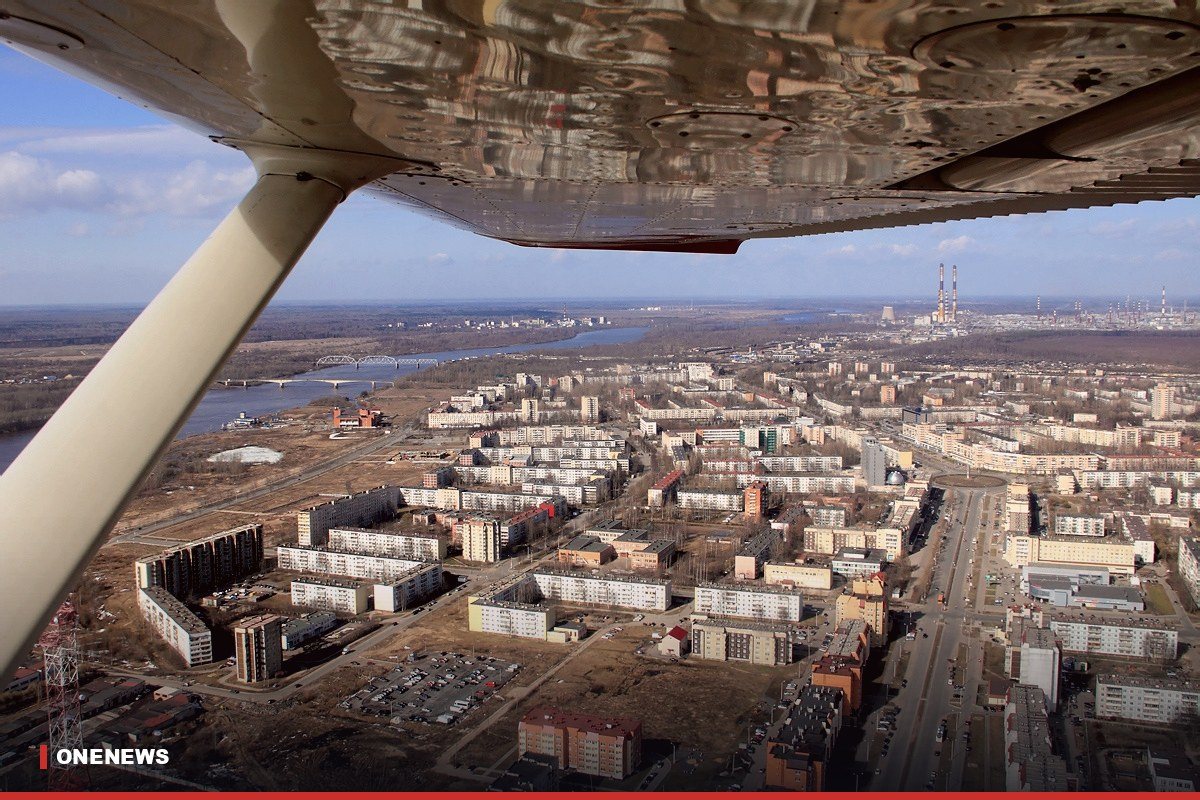


Drones attacked the Kirishi oil refinery, known as KINEF, in Russia's Leningrad region overnight on Nov. 9. Regional Governor Alexander Drozdenko confirmed that the industrial zone had been targeted and later said a fire at the site had been put out. On the same day, Russian media reported fresh restrictions on petrol sales in several parts of the country.
What officials and monitors reported
The Russian outlet ASTRA was among the first to report a fire at the plant, and an open-source analysis of video from Kirishi, cited by Ukrinform, confirmed the blaze. According to The Kyiv Independent, Ukrainian monitoring channels described large explosions, while NASA's FIRMS satellite system registered several heat signatures at the facility.
Russian figures on the size of the attack shifted during the day. In the morning Drozdenko said 81 drones had been downed over the region; The Kyiv Independent later reported him giving a figure of 113. The governor said debris struck an apartment building in Kirishi, where one family was evacuated, and that falling debris killed a woman in the town of Vsevolozhsk. Russia's Defence Ministry said 430 drones were shot down overnight over 13 regions, the Moscow region and occupied Crimea. None of these figures can be independently verified.


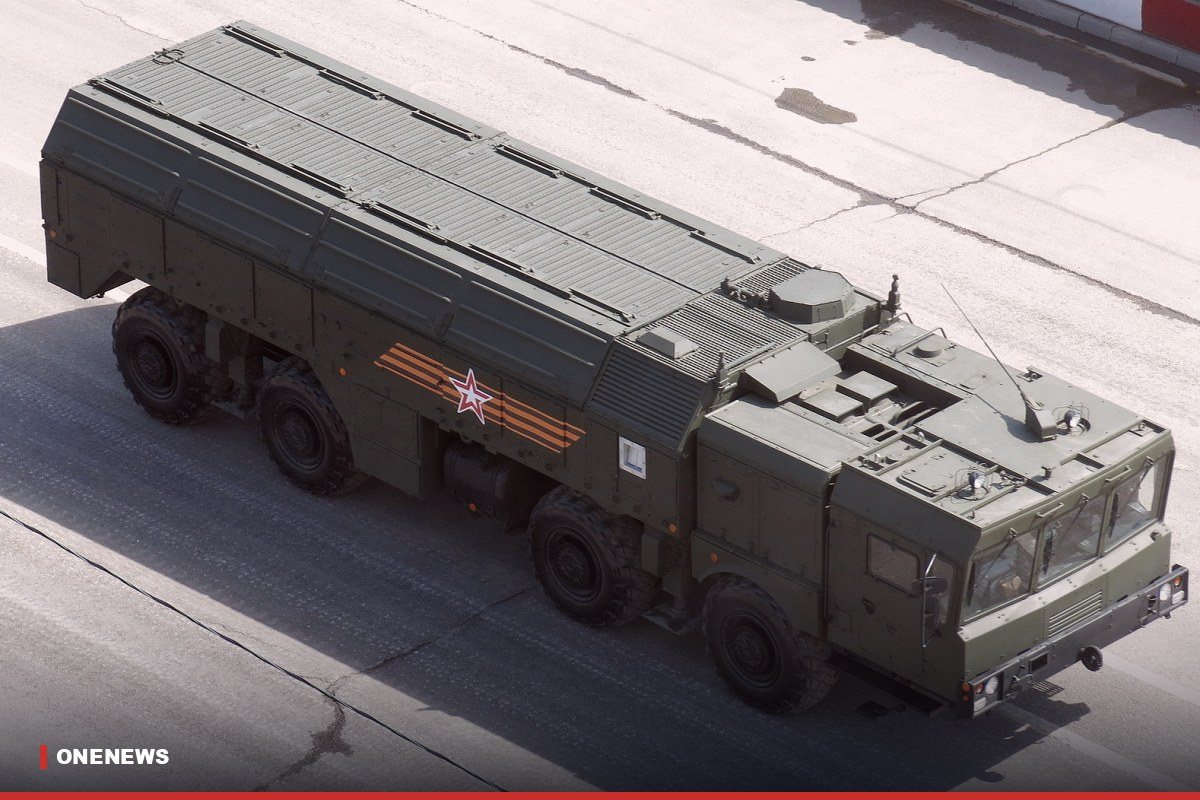
Initial reports did not include an official Ukrainian comment on Kirishi specifically. That morning, however, Ukraine's General Staff said it had struck another plant near St. Petersburg, the Morozov works, which it says makes solid-propellant components for Iskander-M missiles.
Why the Kirishi plant matters
KINEF is owned by Surgutneftegas and is Russia's second-largest refinery by throughput, as well as the only one of its size in the country's northwest. Key facts about the site:
- design capacity of roughly 20 million tonnes of crude a year;
- more than 6% of Russia's refined products, including fuel used by the military, according to The Kyiv Independent;
- a major supplier of fuel to St. Petersburg and of jet fuel to Pulkovo airport;
- its owner, Surgutneftegas, is under U.S., EU and British sanctions.
The refinery has been hit before. Media reports said a May 5 attack damaged three of its four primary distillation units and briefly halted output, and Ukrinform reported that processing stopped completely after a strike on Aug. 30.
Petrol limits spread across Russia
Also on Nov. 9, The Kyiv Independent, citing Russian media, reported that state-controlled Rosneft had introduced sales caps in several regions. In Krasnoyarsk Krai, according to the business daily Kommersant, drivers can buy no more than 30 litres of AI-95 petrol, 50 litres of AI-92 or 100 litres of diesel per purchase, and filling jerrycans is not allowed.
Current Time, citing a regional Telegram channel, reported similar caps in Karelia, Buryatia, Zabaykalsky Krai and the Novosibirsk region: 30 litres in towns and up to 50 litres on highways. Such restrictions have been appearing in different Russian regions since June, when Ukraine stepped up long-range drone strikes on refineries. The independent Russian outlet Agentstvo counted attacks on four Rosneft refineries since Oct. 30: Novokuibyshevsk, Bashneft-Novoil, Ryazan and Slavneft-YANOS.


The bigger picture
The strike on Kirishi comes as Kyiv resumes attacks on Russia's energy sector. Senior Ukrainian officials told The Kyiv Independent that Ukraine never agreed to the energy ceasefire that U.S. President Donald Trump announced unilaterally on Oct. 31. In early October, Ukraine said its long-range strikes had knocked out more than half of Russia's oil refining capacity, The Associated Press noted.
Russia, for its part, keeps up heavy strikes on Ukraine's power grid. The same night, Ukraine's air force said Russia launched 317 drones, while Russia's Defence Ministry claimed hits on four electrical substations in the Kyiv, Dnipropetrovsk, Cherkasy and Vinnytsia regions.
The exchange of blows comes on the eve of a new round of U.S.-brokered talks in Abu Dhabi. Fuel shortages are a sensitive domestic issue for Moscow, as queues and caps at filling stations are felt directly by consumers, while Kyiv describes refineries as a source of fuel for Russia's army. How much the latest damage will affect Russia's fuel market will depend on how quickly the units are repaired, something no independent source has yet assessed.
What's Your Reaction?
 Like
0
 Dislike
0
 Love
0
 Funny
0
 Wow
0
 Sad
0
 Angry
0










Comments (0)