


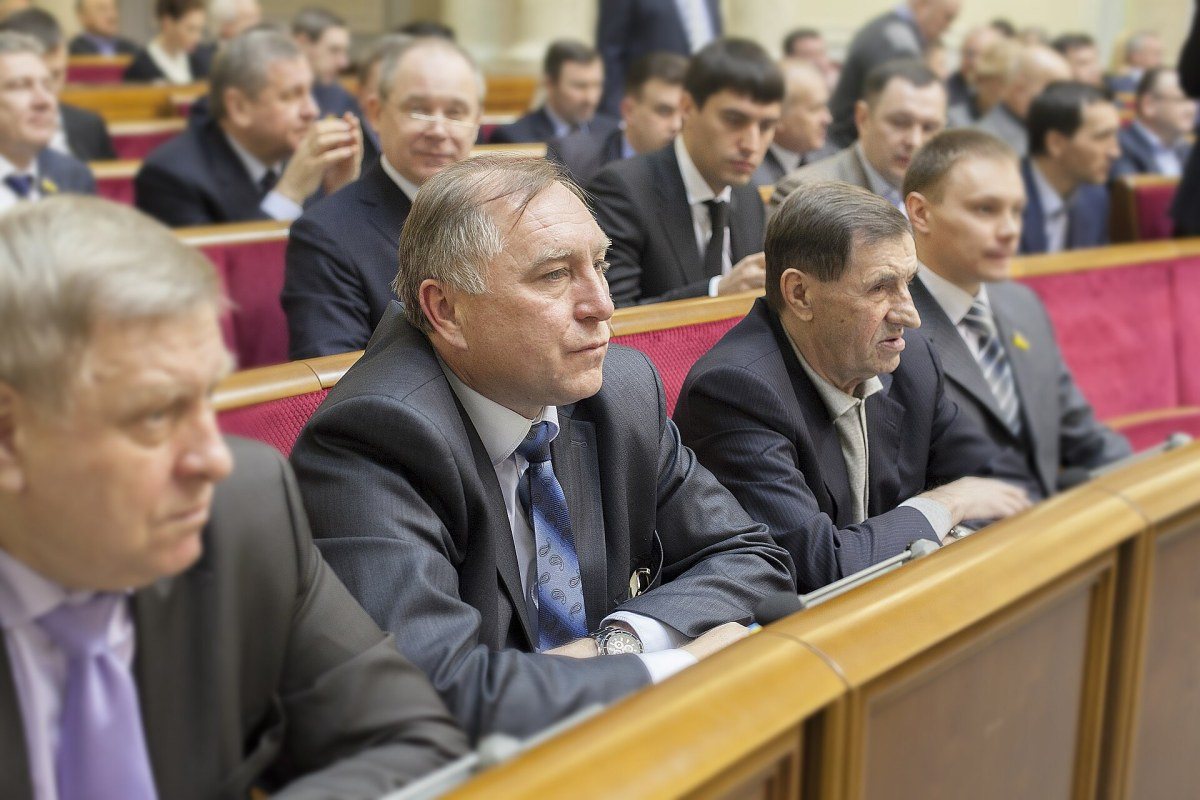
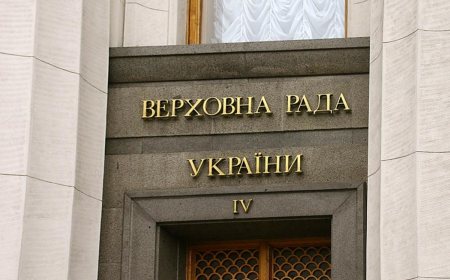
The Verkhovna Rada of Ukraine is the country's only body of legislative power. Its name translates roughly as the Supreme Council, and its domed building on Hrushevskoho Street in Kyiv is one of the most recognisable political landmarks in the country. The Rada passes laws, approves the state budget, forms the government together with the President and oversees the executive. Knowing how it is organised makes it far easier to follow Ukrainian politics.
Composition and elections
The Rada is a unicameral parliament, meaning it has a single chamber. Its constitutional composition is 450 people's deputies, elected for a five-year term. Regular elections take place on the last Sunday of October of the fifth year of the parliament's powers, although early elections can be called in situations defined by the Constitution.
To become a people's deputy, a person must:
- be a citizen of Ukraine who has reached the age of 21 on election day;
- have the right to vote;
- have lived in Ukraine for the previous five years.
A person with an unexpunged conviction for an intentional crime cannot be elected. Deputies work on a permanent basis and may not hold another representative mandate or a position in the civil service, nor engage in other paid activity except teaching, research and creative work.
The Constitution provides that parliament is competent to work once at least two-thirds of its constitutional composition has been elected. This rule ensures the institution can function even if some seats remain vacant.
Factions, groups and the coalition
After an election, deputies organise themselves into factions, usually based on the party lists from which they were elected, and into deputy groups made up of members who are not part of factions. The Constitution requires the formation of a coalition of parliamentary factions that unites a majority of the constitutional composition, at least 226 deputies.
The coalition plays a central role in the system. It proposes the candidate for Prime Minister, whom the President then submits to parliament, and it shapes the composition of the Cabinet of Ministers. If the Rada fails to form a coalition within a month, this is one of the grounds on which the President may dissolve parliament early.
Ukraine also has a so-called imperative mandate: a deputy elected from a party who fails to join that party's faction, or who leaves it, may lose the mandate under the procedure set by law.
Leadership and committees
The Rada elects a Chairman from among its members, often called the Speaker in English, along with a First Deputy and a Deputy Chairman. The Chairman conducts plenary sessions, signs adopted laws and represents parliament in relations with other bodies. If the office of President becomes vacant before the end of the term, the Chairman of the Verkhovna Rada temporarily performs the President's duties.
Much of the detailed work happens in committees. Each committee covers an area such as the budget, legal policy, national security, health, education, energy or human rights. Committees prepare and review bills, hold hearings, draft conclusions for the plenary and monitor how laws are implemented. Parliament can also set up temporary special commissions and temporary investigative commissions to examine specific matters of public importance.
Sessions and voting
The Rada works in sessions. Regular sessions open on the first Tuesday of February and the first Tuesday of September each year, and extraordinary sessions can be convened when needed. Plenary weeks alternate with periods dedicated to committee work and work with voters in the constituencies.
Voting is done using an electronic system in the session hall. The Constitution requires deputies to vote personally, a rule meant to prevent the practice of voting on behalf of absent colleagues. Most laws need the support of a majority of the constitutional composition, at least 226 votes, regardless of how many deputies are present. Some decisions need larger majorities, such as two-thirds, 300 votes, for overriding a presidential veto or amending the Constitution.
What the Rada can do
The Constitution lists the powers of parliament in detail. The most important include:
- adopting laws and amendments to the Constitution;
- approving the State Budget and monitoring its execution;
- calling presidential elections and, in exceptional cases, initiating the removal of the President through impeachment;
- approving the Prime Minister and members of the Cabinet and adopting resolutions of no confidence;
- appointing officials such as the Ombudsman and part of the members of the Constitutional Court;
- approving decisions on martial law, a state of emergency and the use of the armed forces as provided by the Constitution.
The Rada also exercises parliamentary control through hearings, questions to the government and the Accounting Chamber, which audits public spending on its behalf. Together these functions make the Verkhovna Rada the central arena of political debate in Ukraine.
What's Your Reaction?
 Like
0
 Dislike
0
 Love
0
 Funny
0
 Wow
0
 Sad
0
 Angry
0










Comments (0)